Please enable Javascript to view the contents

CompletableFuture使用笔记

 ·  ☕ 24 分钟 · 👀... 阅读

创建线程池的方法:

1
2
3
4
ExecutorService executorService = Executors.newCachedThreadPool();
ExecutorService executorService = Executors.newFixedThreadPool(3);
ScheduledExecutorService executorService = Executors.newScheduledThreadPool(3);
ExecutorService executorService = Executors.newSingleThreadExecutor();

https://www.cnblogs.com/pcheng/p/13540619.html

线程池服务的区别

参考《Java并发编程的艺术》

多线程的问题

线程任务是实现了Runnable接口,或者直接写个类继承Thread,但是这两种方法只能通过共享对象或者文件来得到返回的结果,无法直接返回。并且Runnable接口中的run方法无法抛出异常。

回调地狱(Callback hell)问题

Java 5 提供了执行器框架,其思想类似于一个高层的线程池,可以充分发􏴁线程的能力。执行器使得程序员有机会解􏳽任务的提交与任务的执行。

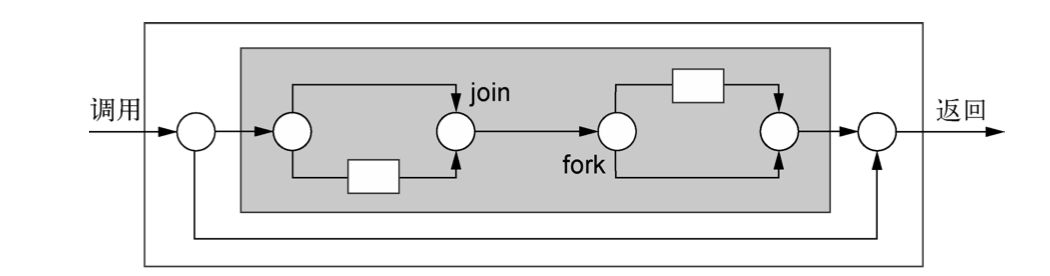
无论什么时候,任何任务(或者线程)在方法 调用中启动时,都会在其返回之前调用同一个方法。换句话说,线程创建以及与其匹配的 join() 在调用返回的嵌套方法调用中都以嵌套的方式成对出现。这种思想被称为􏶖􏶗 fork/join。

image-20211104163018776

Java中的Future代表了什么?

Future是Java的接口,类似于容器保存了Callable的返回结果。我们把子任务放入线程池之后,直接返回,进行其他处理,然后再调用Future的get方法来获取结果,Future还可以控制子任务的执行。

Future

我们使用Runnable对象来定义在线程内执行的任务。虽然定义任务使用Runnable很方便,但受限于任务不能返回结果。

Java 提供了一个Callable接口来定义返回结果的任务。Callable类似于Runnable并且它可以返回结果并抛出异常。

Callable 接口有一个简单的方法call() 用于包含由线程执行的代码。简单的例子:

1
2
3
4
5
6
7
8
Callable<String> callable = new Callable<String>() {
    @Override
    public String call() throws Exception {
        // Perform some computation
        Thread.sleep(2000);
        return "Return some result";
    }
};

请注意,使用Callable,您不需要Thread.sleep()被 try/catch 块包围,因为与 Runnable 不同,Callable 可以抛出checked异常。

更方便的定义一个Callable,使用Lambda表达式:

1
2
3
4
5
Callable<String> callable = () -> {
    // Perform some computation
    Thread.sleep(2000);
    return "Return some result";
};

Callable的定义如下:

 1
 2
 3
 4
 5
 6
 7
 8
 9
10
@FunctionalInterface
public interface Callable<V> {
    /**
     * Computes a result, or throws an exception if unable to do so.
     *
     * @return computed result
     * @throws Exception if unable to compute a result
     */
    V call() throws Exception;
}

可以发现它是可以带返回值的,并且能够抛出异常。

Runnable接口:

 1
 2
 3
 4
 5
 6
 7
 8
 9
10
11
12
13
14
15
@FunctionalInterface
public interface Runnable {
    /**
     * When an object implementing interface <code>Runnable</code> is used
     * to create a thread, starting the thread causes the object's
     * <code>run</code> method to be called in that separately executing
     * thread.
     * <p>
     * The general contract of the method <code>run</code> is that it may
     * take any action whatsoever.
     *
     * @see     java.lang.Thread#run()
     */
    public abstract void run();
}

Runnable接口是没有返回值,也不能抛出异常的。因为run()方法是Runnable接口里面的方法,而Runnable接口在定义run()方法的时候没有抛出任何异常,所以子类在重写run()方法的时候要小于或等于父类(Runnable)的run()方法的异常,所以父类没有抛出异常,子类不能抛出异常。

Thread类中的run方法定义如下:

1
2
3
4
5
6
@Override
public void run() {
  if (target != null) {
  	target.run();
  }
}

同理,继承Thread的线程子类也不能够抛出异常,因为如果父类或者接口的方法中,没有异常抛出,那么子类在覆盖方法时,也不可以抛出异常。发生异常必须进行try处理。

使用(Callable结合Future)

像Runnable一样,你可以submit一个Callable给executor service去执行。executor service的 submit() 方法 会将任务提交给线程执行。但是,它不知道提交的任务什么时候结束。因此,它返回一种称为 Future 的特殊类型的值,可用于在可用时获取任务的结果。

Future 的概念类似于 Javascript 等其他语言中的 Promise。它表示将在以后的某个时间点完成的计算结果。

 1
 2
 3
 4
 5
 6
 7
 8
 9
10
11
12
13
14
15
16
17
18
19
20
21
22
23
24
25
26
27
28
import java.util.concurrent.*;

public class FutureAndCallableExample {
    public static void main(String[] args) throws InterruptedException, ExecutionException {
        ExecutorService executorService = Executors.newSingleThreadExecutor();

        Callable<String> callable = () -> {
            // Perform some computation
            System.out.println("Entered Callable");
            Thread.sleep(2000);
            return "Hello from Callable";
        };

        System.out.println("Submitting Callable");
        Future<String> future = executorService.submit(callable);

        // This line executes immediately
        System.out.println("Do something else while callable is getting executed");

        System.out.println("Retrieve the result of the future");
        // Future.get() 会阻塞知道Future中得到了返回的结果
        String result = future.get();
        System.out.println(result);

        executorService.shutdown();
    }

}

或者可以使用这个例子进行测试:

 1
 2
 3
 4
 5
 6
 7
 8
 9
10
11
12
13
14
15
16
17
18
19
20
21
22
23
mport java.util.concurrent.*;

public class FutureIsDoneExample {
    public static void main(String[] args) throws InterruptedException, ExecutionException {
        ExecutorService executorService = Executors.newSingleThreadExecutor();

        Future<String> future = executorService.submit(() -> {
            Thread.sleep(2000);
            return "Hello from Callable";
        });

        while(!future.isDone()) {
            System.out.println("Task is still not done...");
            Thread.sleep(200);
        }

        System.out.println("Task completed! Retrieving the result");
        String result = future.get();
        System.out.println(result);

        executorService.shutdown();
    }
}

输出结果如下:

# Output
Task is still not done...
Task completed! Retrieving the result
Hello from Callable

在没有得到结果的时候,isDone()的返回值都是false,这将导致阻塞。

取消Future

你可以使用Future.cancel()方法取消一个Future。它试图取消任务的执行,如果成功取消则返回true,否则返回false。

您可以使用isCancelled()方法来检查任务是否被取消。此外,取消任务后,isDone() 将始终为真。

 1
 2
 3
 4
 5
 6
 7
 8
 9
10
11
12
13
14
15
16
17
18
19
20
21
22
23
24
25
26
27
28
29
import java.util.concurrent.*;

public class FutureCancelExample {
    public static void main(String[] args) throws InterruptedException, ExecutionException {
        ExecutorService executorService = Executors.newSingleThreadExecutor();

        long startTime = System.nanoTime();
        Future<String> future = executorService.submit(() -> {
            Thread.sleep(2000);
            return "Hello from Callable";
        });

        while(!future.isDone()) {
            System.out.println("Task is still not done...");
            Thread.sleep(200);
            double elapsedTimeInSec = (System.nanoTime() - startTime)/1000000000.0;

            if(elapsedTimeInSec > 1) {
                future.cancel(true);
            }
        }

        System.out.println("Task completed! Retrieving the result");
        String result = future.get();
        System.out.println(result);

        executorService.shutdown();
    }
}

跑上面的代码将会抛出异常,因为已经取消了Future,然后又实用get()方法获取Future的值。

Task is still not done...
Task completed! Retrieving the result
Exception in thread "main" java.util.concurrent.CancellationException
	at java.util.concurrent.FutureTask.report(FutureTask.java:121)
	at java.util.concurrent.FutureTask.get(FutureTask.java:192)
	at com.sankuai.stafftraining.wujiahong.demo.springdemo.concurrency.MainApp.test3(MainApp.java:79)
	at com.sankuai.stafftraining.wujiahong.demo.springdemo.concurrency.MainApp.main(MainApp.java:12)

最好是通过下面这种方法进行判断:

1
2
3
4
5
6
7
if(!future.isCancelled()) {
    System.out.println("Task completed! Retrieving the result");
    String result = future.get();
    System.out.println(result);
} else {
    System.out.println("Task was cancelled");
}

invokeAll方法

提交多个任务并等待所有任务完成。

你可以通过向invokeAll()方法传递一个Callables的集合来执行多个任务。invokeAll()返回一个Futures的列表。任何对future.get()的调用都会被阻止,直到所有的Futures都完成。

例子:

 1
 2
 3
 4
 5
 6
 7
 8
 9
10
11
12
13
14
15
16
17
18
19
20
21
22
23
24
25
26
27
28
29
30
31
32
33
34
35
import java.util.Arrays;
import java.util.List;
import java.util.concurrent.*;

public class InvokeAllExample {
    public static void main(String[] args) throws InterruptedException, ExecutionException {
        ExecutorService executorService = Executors.newFixedThreadPool(5);

        Callable<String> task1 = () -> {
            Thread.sleep(2000);
            return "Result of Task1";
        };

        Callable<String> task2 = () -> {
            Thread.sleep(1000);
            return "Result of Task2";
        };

        Callable<String> task3 = () -> {
            Thread.sleep(5000);
            return "Result of Task3";
        };

        List<Callable<String>> taskList = Arrays.asList(task1, task2, task3);

        List<Future<String>> futures = executorService.invokeAll(taskList);

        for(Future<String> future: futures) {
            // The result is printed only after all the futures are complete. (i.e. after 5 seconds)
            System.out.println(future.get());
        }

        executorService.shutdown();
    }
}

在上面的程序中,第一次调用 future.get() 语句会阻塞,直到所有的期货都完成。即结果将在 5 秒后打印。

输出的结果为:

Result of Task1
Result of Task2
Result of Task3

invokeAny方法

提交多个任务并等待其中任何一个完成.

invokeAny() 方法接受一个 Callables 集合并返回最快的 Callable 的结果。请注意,它不会返回 Future。

例子:

 1
 2
 3
 4
 5
 6
 7
 8
 9
10
11
12
13
14
15
16
17
18
19
20
21
22
23
24
25
26
27
28
29
30
31
import java.util.Arrays;
import java.util.List;
import java.util.concurrent.*;

public class InvokeAnyExample {
    public static void main(String[] args) throws InterruptedException, ExecutionException {
        ExecutorService executorService = Executors.newFixedThreadPool(5);

        Callable<String> task1 = () -> {
            Thread.sleep(2000);
            return "Result of Task1";
        };

        Callable<String> task2 = () -> {
            Thread.sleep(1000);
            return "Result of Task2";
        };

        Callable<String> task3 = () -> {
            Thread.sleep(5000);
            return "Result of Task3";
        };

        // Returns the result of the fastest callable. (task2 in this case)
        String result = executorService.invokeAny(Arrays.asList(task1, task2, task3));

        System.out.println(result);

        executorService.shutdown();
    }
}

输出如下:

Result of Task2

Future 的局限

  1. 不能手动完成。(Future调用的任务失败了不能手动进行完成)
  2. Future 的结果在非阻塞的情况下,不能执行更进一步的操作。(无法给 Future 植入一个回调函数)
  3. 多个 Future 不能串联在一起组成链式调用。
  4. 不能组合多个 Future 的结果。
  5. 没有异常处理。

CompletableFuture简介

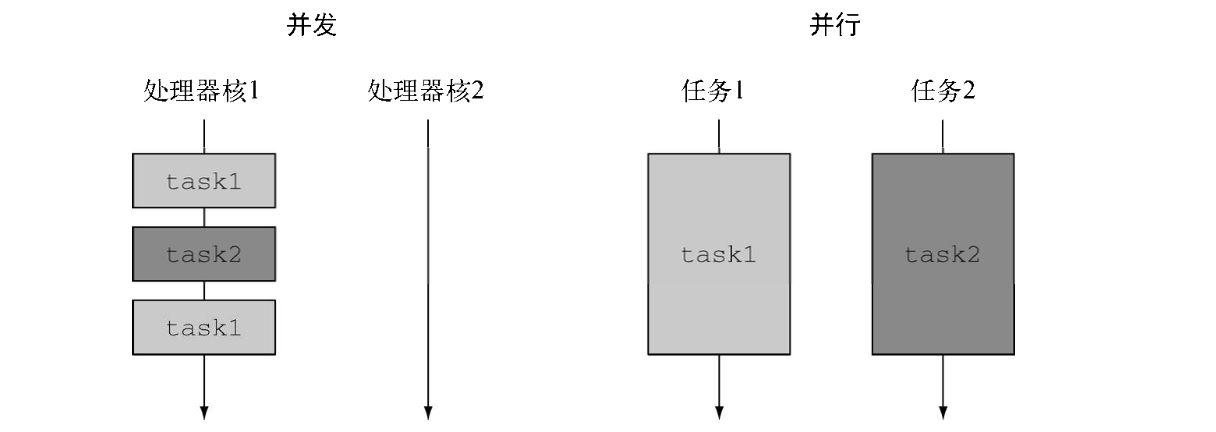
并发与并行的区别:

并发与并行

避免阻塞,应用通过 与各种网络服务通信,替用户实时整合需要的信息,或者将整合的信息作为进一步的网络服务 提供出去。这种工作方式被称为反应式编程。

CompletableFuture能够解决什么问题?

CompletableFuture是Java8引入的,在Java8之前一般通过Future实现异步。(但是是阻塞的)

Future模式可以理解成:我有一个任务,提交给了Future,Future替我完成这个任务。期间我自己可以去做任何想做的事情。一段时间之后,我就便可以从Future那儿取出结果。

CompletableFuture具备什么功能?

  1. 可组合。(提供thenCompose、thenCombine等各种then开头的方法)
  2. 异步。

比较

CompletableFuture是Java8引入的,在Java8之前一般通过Future实现异步。

  • Future用于表示异步计算的结果,只能通过阻塞或者轮询的方式获取结果,而且不支持设置回调方法,Java8之前若要设置回调一般会使用guava的ListenableFuture,回调的引入又会导致臭名昭著的“回调地狱”。

  • CompletableFuture对Future进行了扩展,可以通过设置回调的方式处理计算结果,同时也支持组合操作,支持进一步的编排,同时一定程度解决了回调地狱的问题。

假设有三个操作存在依赖关系,step1 -> step2 -> step3需要前面步骤执行成功再执行后面步骤。

Future(ListenableFuture)的实现(回调地狱)如下:

 1
 2
 3
 4
 5
 6
 7
 8
 9
10
11
12
13
14
15
16
17
18
19
20
21
22
23
24
25
26
27
28
29
30
31
32
33
34
35
36
37
38
39
40
41
42
43
44
45
46
ExecutorService executor = Executors.newFixedThreadPool(5);
ListeningExecutorService guavaExecutor = MoreExecutors.listeningDecorator(executor);

ListenableFuture<Object> future1 = guavaExecutor.submit(() -> {
    //step 1
    System.out.println("执行step1");
    return true;
});

Futures.addCallback(future1, new FutureCallback<Object>() {
    @Override
    public void onSuccess(Object step1Result) {
        ListenableFuture<Object> future2 = guavaExecutor.submit(() -> {
            System.out.println("执行step 2");
            return true;
        });
        Futures.addCallback(future2, new FutureCallback<Object>() {
            @Override
            public void onSuccess(Object result) {
                ListenableFuture<Object> future3 = guavaExecutor.submit(() -> {
                    System.out.println("执行step 3");
                    return true;
                });
                Futures.addCallback(future3, new FutureCallback<Object>() {
                    @Override
                    public void onSuccess(Object result) {
                        System.out.println("这是step 3执行结果");
                    }

                    @Override
                    public void onFailure(Throwable t) {
                    }
                }, guavaExecutor);
            }

            @Override
            public void onFailure(Throwable t) {
            }
        }, guavaExecutor);

        System.out.println("执行step2");
    }
    @Override
    public void onFailure(Throwable throwable) {
    }
}, guavaExecutor);

CompletableFuture的实现如下:

 1
 2
 3
 4
 5
 6
 7
 8
 9
10
11
12
13
14
ExecutorService executor = Executors.newFixedThreadPool(5);
CompletableFuture
        .supplyAsync(() -> {
            System.out.println("执行step 1");
            return new Object();
        }, executor)
        .thenApply(result1 -> {
            System.out.println("执行step 2");
            return new Object();
        })
        .thenApply(result1 -> {
            System.out.println("执行step 3");
            return new Object();
        });

显然,CompletableFuture的实现要更为简洁,可读性更好。

使用

简单使用

创建CompletableFuture:

1
CompletableFuture<String> completableFuture = new CompletableFuture<String>();

表示创建了一个返回值为String的CompletableFuture的对象。

同样,类似Future,CompletableFuture也使用get方法获取返回结果,这也是阻塞的,当我们直接运行下面的语句:

1
String result = completableFuture.get()

它将一直处于阻塞状态。

可以使用CompletableFuture.complete()手工的完成一个 Future:

1
completableFuture.complete("Future's Result");

所有等待这个 Future 的客户端都将得到一个指定的结果,并且 completableFuture.complete() 之后的调用将被忽略。

runAsync()

这个适用于无返回值的异步执行。

CompletableFuture.runAsync()方法,它持有一个Runnable 对象,并返回 CompletableFuture<Void>

 1
 2
 3
 4
 5
 6
 7
 8
 9
10
11
12
13
14
15
16
// Run a task specified by a Runnable Object asynchronously.
CompletableFuture<Void> future = CompletableFuture.runAsync(new Runnable() {
    @Override
    public void run() {
        // Simulate a long-running Job
        try {
            TimeUnit.SECONDS.sleep(1);
        } catch (InterruptedException e) {
            throw new IllegalStateException(e);
        }
        System.out.println("I'll run in a separate thread than the main thread.");
    }
});

// Block and wait for the future to complete
future.get()

或者:

 1
 2
 3
 4
 5
 6
 7
 8
 9
10
// Using Lambda Expression
CompletableFuture<Void> future = CompletableFuture.runAsync(() -> {
    // Simulate a long-running Job   
    try {
        TimeUnit.SECONDS.sleep(1);
    } catch (InterruptedException e) {
        throw new IllegalStateException(e);
    }
    System.out.println("I'll run in a separate thread than the main thread.");
});

supplyAsync()

适用于有返回值的异步计算。

CompletableFuture.supplyAsync() 持有supplier<T> 并且返回CompletableFuture<T>T 是通过调用 传入的supplier取得的值的类型。

 1
 2
 3
 4
 5
 6
 7
 8
 9
10
11
12
13
14
15
16
// Run a task specified by a Supplier object asynchronously
CompletableFuture<String> future = CompletableFuture.supplyAsync(new Supplier<String>() {
    @Override
    public String get() {
        try {
            TimeUnit.SECONDS.sleep(1);
        } catch (InterruptedException e) {
            throw new IllegalStateException(e);
        }
        return "Result of the asynchronous computation";
    }
});

// Block and get the result of the Future
String result = future.get();
System.out.println(result);

或者:

 1
 2
 3
 4
 5
 6
 7
 8
 9
10
11
12
13
14
15
16
// Run a task specified by a Supplier object asynchronously
CompletableFuture<String> future = CompletableFuture.supplyAsync(new Supplier<String>() {
    @Override
    public String get() {
        try {
            TimeUnit.SECONDS.sleep(1);
        } catch (InterruptedException e) {
            throw new IllegalStateException(e);
        }
        return "Result of the asynchronous computation";
    }
});

// Block and get the result of the Future
String result = future.get();
System.out.println(result);

最好加上一个线程池的参数,不然默认从全局的 ForkJoinPool.commonPool()获得一个线程中执行这些任务。

// Variations of runAsync() and supplyAsync() methods
static CompletableFuture<Void>  runAsync(Runnable runnable)
static CompletableFuture<Void>  runAsync(Runnable runnable, Executor executor)
static <U> CompletableFuture<U> supplyAsync(Supplier<U> supplier)
static <U> CompletableFuture<U> supplyAsync(Supplier<U> supplier, Executor executor)

上面的几个方法其实还是阻塞的。它会一直等到Future完成并且在完成后返回结果。这不是我们想要的,我们想要的是在它执行完成之后调用我们自己的逻辑。对于构建异步系统,我们应该附上一个回调给CompletableFuture,当Future完成的时候,自动的获取结果。

可以使用 thenApply(), thenAccept()thenRun()方法附上一个回调给CompletableFuture。

thenApply()

实现调用链。

使用 thenApply() 处理和改变CompletableFuture的结果。持有一个Function<R,T>作为参数。Function<R,T>是一个简单的函数式接口,接受一个T类型的参数,产出一个R类型的结果。

 1
 2
 3
 4
 5
 6
 7
 8
 9
10
11
12
13
14
15
16
17
// Create a CompletableFuture
CompletableFuture<String> whatsYourNameFuture = CompletableFuture.supplyAsync(() -> {
   try {
       TimeUnit.SECONDS.sleep(1);
   } catch (InterruptedException e) {
       throw new IllegalStateException(e);
   }
   return "Rajeev";
});

// Attach a callback to the Future using thenApply()
CompletableFuture<String> greetingFuture = whatsYourNameFuture.thenApply(name -> {
   return "Hello " + name;
});

// Block and get the result of the future.
System.out.println(greetingFuture.get()); // Hello Rajeev

thenAccept() thenRun()

如果你不想从你的回调函数中返回任何东西,仅仅想在Future完成后运行一些代码片段,你可以使用thenAccept() thenRun()方法,这些方法经常在调用链的最末端的最后一个回调函数中使用。
CompletableFuture.thenAccept() 持有一个Consumer<T> ,返回一个CompletableFuture<Void>。它可以访问CompletableFuture的结果:

1
2
3
4
5
6
// thenAccept() example
CompletableFuture.supplyAsync(() -> {
    return ProductService.getProductDetail(productId);
}).thenAccept(product -> {
    System.out.println("Got product detail from remote service " + product.getName())
});

虽然thenAccept()可以访问CompletableFuture的结果,但thenRun()不能访Future的结果,它持有一个Runnable返回CompletableFuture

1
2
3
4
5
6
// thenRun() example
CompletableFuture.supplyAsync(() -> {
    // Run some computation  
}).thenRun(() -> {
    // Computation Finished.
});

thenCompose()-组合

组合两个独立的future

原来假设想从一个远程API中获取一个用户的详细信息,一旦用户信息可用,你想从另外一个服务中获取他的贷方。代码是这样的:

 1
 2
 3
 4
 5
 6
 7
 8
 9
10
11
CompletableFuture<User> getUsersDetail(String userId) {
    return CompletableFuture.supplyAsync(() -> {
        UserService.getUserDetails(userId);
    });    
}

CompletableFuture<Double> getCreditRating(User user) {
    return CompletableFuture.supplyAsync(() -> {
        CreditRatingService.getCreditRating(user);
    });
}

使用了thenApply()可以进行异步调用,并且代码非常简洁:

1
2
CompletableFuture<CompletableFuture<Double>> result = getUserDetail(userId)
.thenApply(user -> getCreditRating(user));

在更早的示例中,Supplier函数传入thenApply将返回一个简单的值,但是在本例中,将返回一个CompletableFuture。以上示例的最终结果是一个嵌套的CompletableFuture。
如果你想获取最终的结果给最顶层future,使用 thenCompose()方法代替

1
2
CompletableFuture<Double> result = getUserDetail(userId)
.thenCompose(user -> getCreditRating(user));

thenCombine()-组合操作

虽然thenCompose()被用于当一个future依赖另外一个future的时候用来组合两个future。thenCombine()被用来当两个独立的Future都完成的时候,用来做一些事情。

例子:

 1
 2
 3
 4
 5
 6
 7
 8
 9
10
11
12
13
14
15
16
17
18
19
20
21
22
23
24
25
26
27
28
System.out.println("Retrieving weight.");
CompletableFuture<Double> weightInKgFuture = CompletableFuture.supplyAsync(() -> {
    try {
        TimeUnit.SECONDS.sleep(1);
    } catch (InterruptedException e) {
       throw new IllegalStateException(e);
    }
    return 65.0;
});

System.out.println("Retrieving height.");
CompletableFuture<Double> heightInCmFuture = CompletableFuture.supplyAsync(() -> {
    try {
        TimeUnit.SECONDS.sleep(1);
    } catch (InterruptedException e) {
       throw new IllegalStateException(e);
    }
    return 177.8;
});

System.out.println("Calculating BMI.");
CompletableFuture<Double> combinedFuture = weightInKgFuture
        .thenCombine(heightInCmFuture, (weightInKg, heightInCm) -> {
    Double heightInMeter = heightInCm/100;
    return weightInKg/(heightInMeter*heightInMeter);
});

System.out.println("Your BMI is - " + combinedFuture.get());

当两个Future都完成的时候,传给thenCombine()的回调函数将被调用。

前面都是组合两个的CompletableFuture方法,可以使用以下两个方法组合任意数量的CompletableFuture。

1
2
static CompletableFuture<Void> allOf(CompletableFuture<?>... cfs)
static CompletableFuture<Object> anyOf(CompletableFuture<?>... cfs)

CompletableFuture.allOf()-组合多个(全部)

CompletableFuture.allOf的使用场景是当你一个列表的独立future,并且你想在它们都完成后并行的做一些事情。

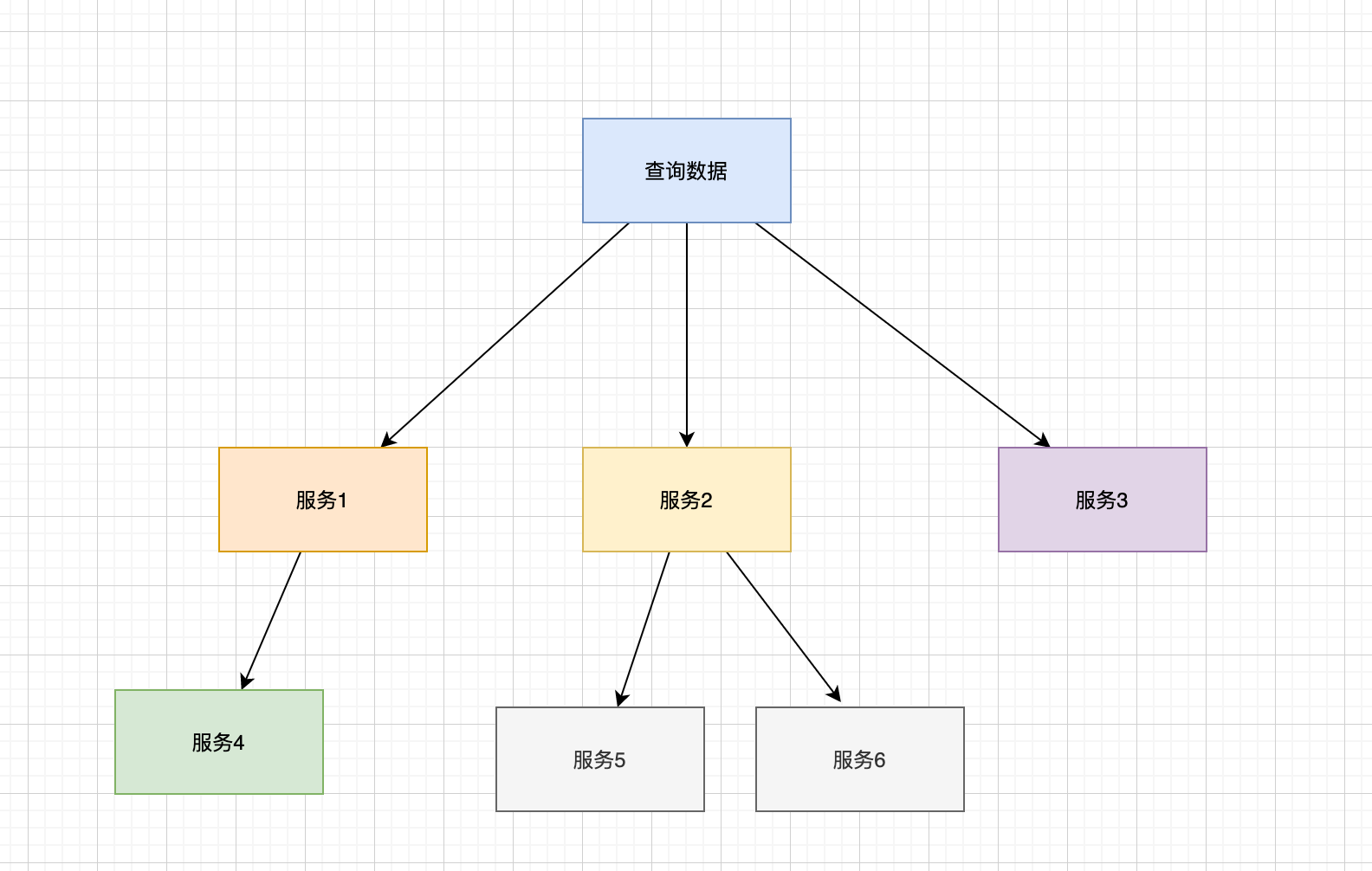
一般是一次数据的请求需要调用多个服务进行查询,可以使用这种方法加快操作的速度。但是,对于同一个服务的循环差其实没有实质性的提高。

定义一个下载页面的方法:

1
2
3
4
5
CompletableFuture<String> downloadWebPage(String pageLink) {
    return CompletableFuture.supplyAsync(() -> {
        // Code to download and return the web page's content
    });
} 

下载一个网站的100个不同的页面,使用allof方法:

 1
 2
 3
 4
 5
 6
 7
 8
 9
10
11
12
List<String> webPageLinks = Arrays.asList(...)    // A list of 100 web page links

// Download contents of all the web pages asynchronously
List<CompletableFuture<String>> pageContentFutures = webPageLinks.stream()
        .map(webPageLink -> downloadWebPage(webPageLink))
        .collect(Collectors.toList());


// Create a combined Future using allOf()
CompletableFuture<Void> allFutures = CompletableFuture.allOf(
        pageContentFutures.toArray(new CompletableFuture[pageContentFutures.size()])
);

使用CompletableFuture.allOf()的问题是它返回CompletableFuture。但是我们可以通过写一些额外的代码来获取所有封装的CompletableFuture结果。

1
2
3
4
5
6
// When all the Futures are completed, call `future.join()` to get their results and collect the results in a list -
CompletableFuture<List<String>> allPageContentsFuture = allFutures.thenApply(v -> {
   return pageContentFutures.stream()
           .map(pageContentFuture -> pageContentFuture.join())
           .collect(Collectors.toList());
});

当所有future完成的时候,我们调用了future.join(),因此我们不会在任何地方阻塞。

join()方法和get()方法非常类似,这唯一不同的地方是如果最顶层的CompletableFuture完成的时候发生了异常,它会抛出一个未经检查的异常。

现在让我们计算包含关键字页面的数量。

1
2
3
4
5
6
7
8
9
// Count the number of web pages having the "CompletableFuture" keyword.
CompletableFuture<Long> countFuture = allPageContentsFuture.thenApply(pageContents -> {
    return pageContents.stream()
            .filter(pageContent -> pageContent.contains("CompletableFuture"))
            .count();
});

System.out.println("Number of Web Pages having CompletableFuture keyword - " + 
        countFuture.get());

CompletableFuture.anyOf()-组合多个(任意)

CompletableFuture.anyOf()和其名字介绍的一样,当任何一个CompletableFuture完成的时候【相同的结果类型】,返回一个新的CompletableFuture。

 1
 2
 3
 4
 5
 6
 7
 8
 9
10
11
12
13
14
15
16
17
18
19
20
21
22
23
24
25
26
27
28
29
30
CompletableFuture<String> future1 = CompletableFuture.supplyAsync(() -> {
    try {
        TimeUnit.SECONDS.sleep(2);
    } catch (InterruptedException e) {
       throw new IllegalStateException(e);
    }
    return "Result of Future 1";
});

CompletableFuture<String> future2 = CompletableFuture.supplyAsync(() -> {
    try {
        TimeUnit.SECONDS.sleep(1);
    } catch (InterruptedException e) {
       throw new IllegalStateException(e);
    }
    return "Result of Future 2";
});

CompletableFuture<String> future3 = CompletableFuture.supplyAsync(() -> {
    try {
        TimeUnit.SECONDS.sleep(3);
    } catch (InterruptedException e) {
       throw new IllegalStateException(e);
    }
    return "Result of Future 3";
});

CompletableFuture<Object> anyOfFuture = CompletableFuture.anyOf(future1, future2, future3);

System.out.println(anyOfFuture.get()); // Result of Future 2

当三个中的任何一个CompletableFuture完成, anyOfFuture就会完成。因为future2的休眠时间最少,因此她最先完成,最终的结果将是future2的结果。

CompletableFuture.anyOf()传入一个Future可变参数,返回CompletableFutureCompletableFuture.anyOf()的问题是如果你的CompletableFuture返回的结果是不同类型的,这时候你讲会不知道你最终CompletableFuture是什么类型。

异常处理

1. 使用 exceptionally() 回调处理异常

exceptionally()回调给你一个从原始Future中生成的错误恢复的机会。你可以在这里记录这个异常并返回一个默认值。

 1
 2
 3
 4
 5
 6
 7
 8
 9
10
11
12
13
14
15
16
17
18
Integer age = -1;

CompletableFuture<String> maturityFuture = CompletableFuture.supplyAsync(() -> {
    if(age < 0) {
        throw new IllegalArgumentException("Age can not be negative");
    }
    if(age > 18) {
        return "Adult";
    } else {
        return "Child";
    }
}).exceptionally(ex -> {
  	// 在此处打印相关的日志,返回值需要特别注意,可以返回一个指定的值,然后在后面进行过滤
    System.out.println("Oops! We have an exception - " + ex.getMessage());
    return "Unknown!";
});

System.out.println("Maturity : " + maturityFuture.get()); 

2. 使用 handle() 方法处理异常

API提供了一个更通用的方法 - handle()从异常恢复,无论一个异常是否发生它都会被调用。

 1
 2
 3
 4
 5
 6
 7
 8
 9
10
11
12
13
14
15
16
17
18
19
20
Integer age = -1;

CompletableFuture<String> maturityFuture = CompletableFuture.supplyAsync(() -> {
    if(age < 0) {
        throw new IllegalArgumentException("Age can not be negative");
    }
    if(age > 18) {
        return "Adult";
    } else {
        return "Child";
    }
}).handle((res, ex) -> {
    if(ex != null) {
        System.out.println("Oops! We have an exception - " + ex.getMessage());
        return "Unknown!";
    }
    return res;
});

System.out.println("Maturity : " + maturityFuture.get());

如果异常发生,res参数将是 null,否则,ex将是 null。

区别

supplyAsync:

  • 当只是指定第一个参数,默认使用的线程池是 ForkJoinPool.commonPool()
  • 当指定第二个线程池的参数,使用的是自定义的线程

supplyAsync表示开启一个有返回值的异步任务。

可以使用 thenAcceptthenApply 给它增加回调函数。同样,thenAcceptthenApply 也有同样的异步函数thenAcceptAsyncthenApplyAsync ,可以让逻辑执行在设定的线程池上。

同步和异步的区别:

假设我们想一次向同一个接收者发送两条消息。

1
2
3
4
CompletableFuture<String> receiver  
            = CompletableFuture.supplyAsync(this::findReceiver);
receiver.thenApply(this::sendMsg);  
receiver.thenApply(this::sendOtherMsg);  

在上面的例子中,一切都将在同一个线程上执行。这导致最后一条消息等待第一条消息完成。

考虑这个代码:

1
2
3
4
5
CompletableFuture<String> receiver  
            = CompletableFuture.supplyAsync(this::findReceiver);

receiver.thenApplyAsync(this::sendMsg);  

通过使用async后缀,每个消息被作为单独的任务提交给ForkJoinPool.commonPool()。这导致在完成前面的计算时,sendMsg的回调都被执行。

一个测试:

 1
 2
 3
 4
 5
 6
 7
 8
 9
10
11
12
13
14
15
16
17
18
19
20
21
22
23
24
25
26
27
28
//thenApply和thenApplyAsync的区别
System.out.println("-------------");
CompletableFuture<String> supplyAsyncWithSleep = CompletableFuture.supplyAsync(()->{
    try {
        Thread.sleep(10000);
    } catch (InterruptedException e) {
        e.printStackTrace();
    }
    return "supplyAsyncWithSleep Thread Id : " + Thread.currentThread();
});
CompletableFuture<String> thenApply = supplyAsyncWithSleep
        .thenApply(name -> name + "------thenApply Thread Id : " + Thread.currentThread());
CompletableFuture<String> thenApplyAsync = supplyAsyncWithSleep
        .thenApplyAsync(name -> name + "------thenApplyAsync Thread Id : " + Thread.currentThread());
System.out.println("Main Thread Id: "+ Thread.currentThread());
System.out.println(thenApply.get());
System.out.println(thenApplyAsync.get());
System.out.println("-------------No Sleep");
CompletableFuture<String> supplyAsyncNoSleep = CompletableFuture.supplyAsync(()->{
    return "supplyAsyncNoSleep Thread Id : " + Thread.currentThread();
});
CompletableFuture<String> thenApplyNoSleep = supplyAsyncNoSleep
        .thenApply(name -> name + "------thenApply Thread Id : " + Thread.currentThread());
CompletableFuture<String> thenApplyAsyncNoSleep = supplyAsyncNoSleep
        .thenApplyAsync(name -> name + "------thenApplyAsync Thread Id : " + Thread.currentThread());
System.out.println("Main Thread Id: "+ Thread.currentThread());
System.out.println(thenApplyNoSleep.get());
System.out.println(thenApplyAsyncNoSleep.get());

分别测试执行不同处理速度的代码,thenApply 和 thenApplyAsync 使用的是哪个线程:

-------------
Main Thread Id: Thread[main,5,main]
supplyAsyncWithSleep Thread Id : Thread[ForkJoinPool.commonPool-worker-9,5,main]------thenApply Thread Id : Thread[ForkJoinPool.commonPool-worker-9,5,main]
supplyAsyncWithSleep Thread Id : Thread[ForkJoinPool.commonPool-worker-9,5,main]------thenApplyAsync Thread Id : Thread[ForkJoinPool.commonPool-worker-9,5,main]
-------------No Sleep
Main Thread Id: Thread[main,5,main]
supplyAsyncNoSleep Thread Id : Thread[ForkJoinPool.commonPool-worker-2,5,main]------thenApply Thread Id : Thread[main,5,main]
supplyAsyncNoSleep Thread Id : Thread[ForkJoinPool.commonPool-worker-2,5,main]------thenApplyAsync Thread Id : Thread[ForkJoinPool.commonPool-worker-2,5,main]
可以看到

  • supplyAsync方法执行速度慢的话thenApply方法执行线程和supplyAsync 执行线程相同
  • supplyAsync 方法执行速度快的话,那么thenApply方法执行线程和Main方法执行线程相同

返回值

方法名是否可获得前一个任务的返回值是否有返回值
thenApply能获得
thenAccept能获得
thenRun不可获得

所以一般来说thenAccept thenRun 这两个方法在调用链的最末端使用。

二元依赖

  • thenCombine:两个异步方法得出来值的情况下才能进行计算
  • thenCompose:二个定时任务需要用到第一个定时任务的返回值
  • runAfterBoth

二选一:acceptEither

firstSource.acceptEither(secondSource, this::sendMsg);

总结

  1. CompletableFuture使用get方法和join方法会阻塞后续的操作。
  2. 不阻塞的话并且不需要返回值可以直接不显示的使用get方法和join方法。

区别:

  • get() 方法会抛出经检查的异常,可被捕获,自定义处理或者直接抛出。
  • join() 会抛出未经检查的异常。

使用场景

你以前可能接触过 CompletableFuture 对象背后的概念,在其他语言中这被 叫作延迟对象或约定。在Google Guava类库和Spring框架中,这被叫作 ListenableFutures。

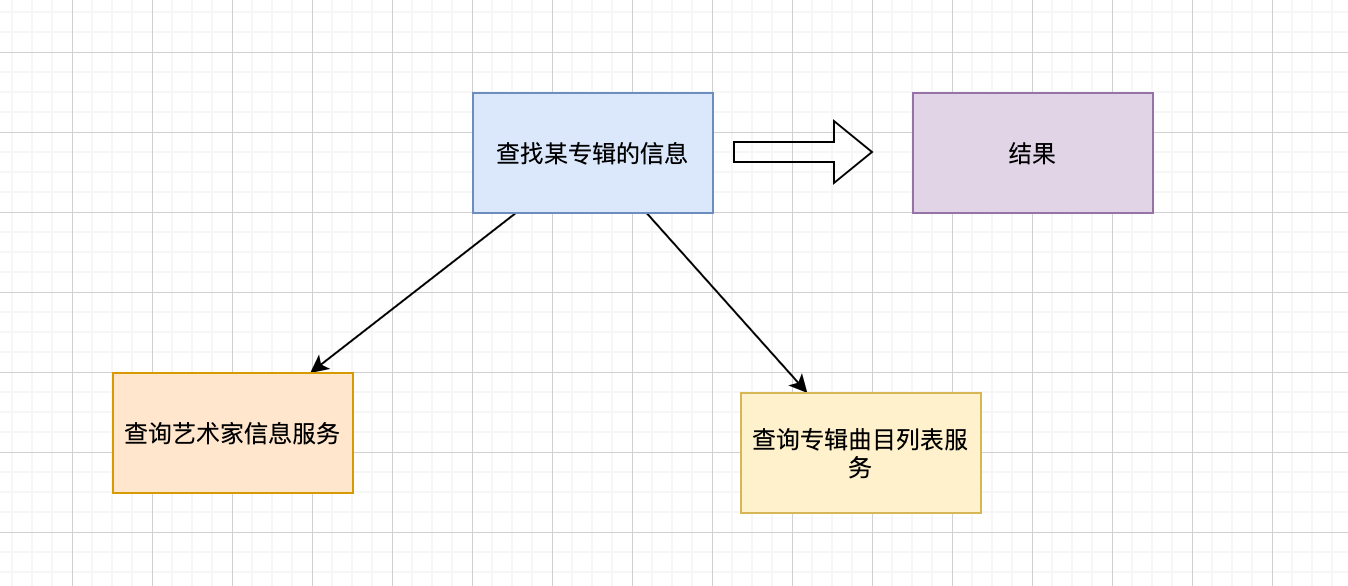
多服务调用

image-20211204213546992

实际的情况可能是这样子

image-20211204214205801

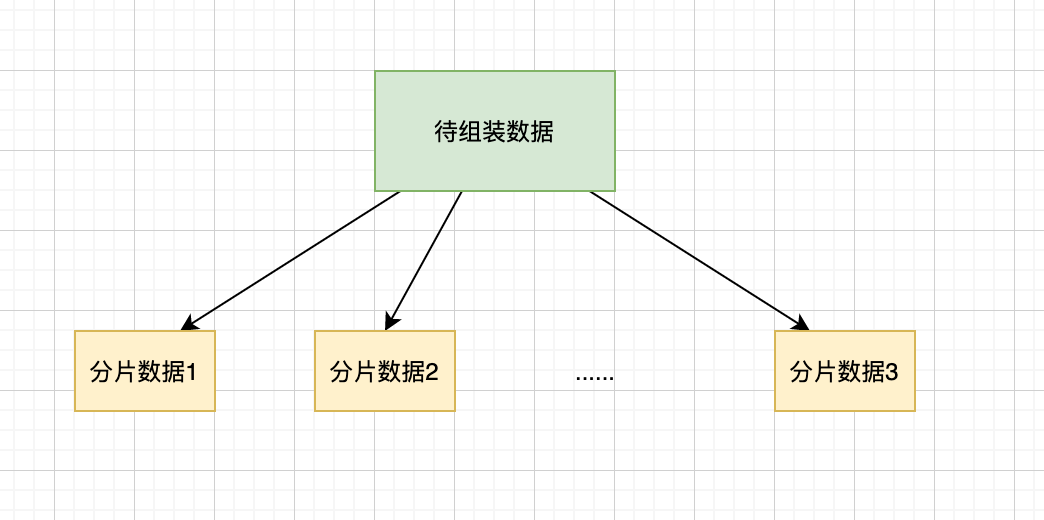
多线程组装数据。

image-20211204213806661

每一个分片数据都用一个CompletableFuture执行。

Join,它的作用和 get 方法 是一样的,而且它没有使用 get 方法时令人倒胃口的检查异常。

join抛出unchecker异常,而get抛出checked异常

混合使Stream和CompletableFuture的时候需要注意⚠️:

考虑操作之间的延迟特性,如何你在单一流水线中处理流,每个创建CompletableFuture 对象只能在前一个操作结束之后才能创建。

最好是将CompletableFuture先聚集到一个列表中。然后再屌用join。

原理

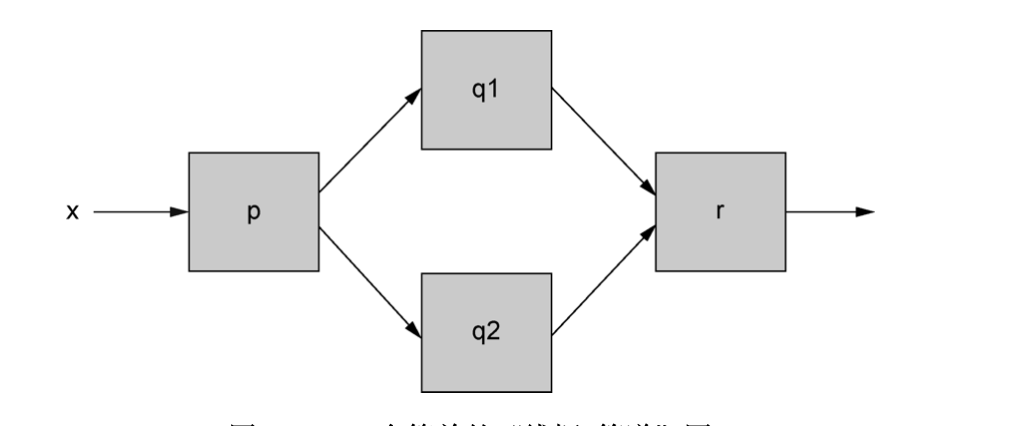
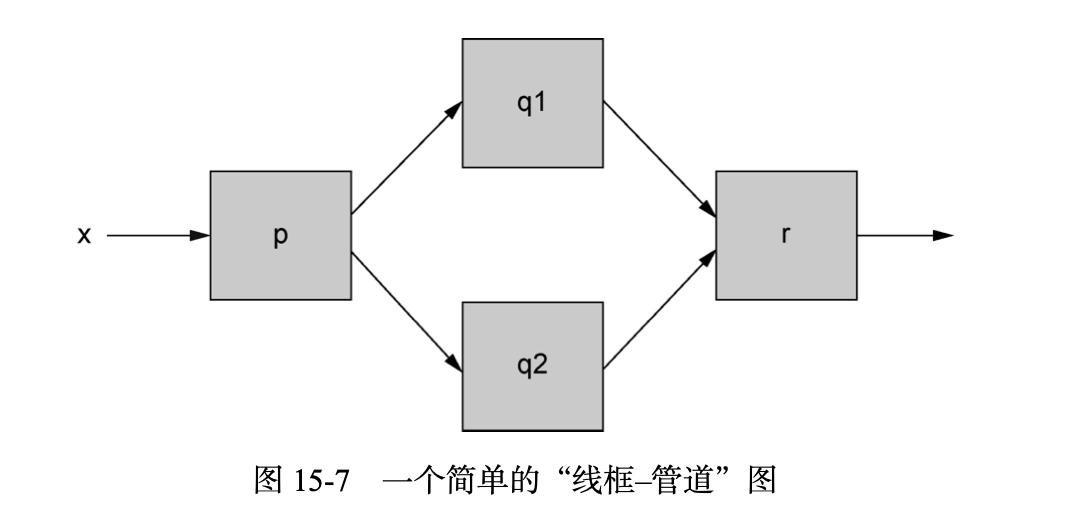
通常,设计和理解并发系统最好的方式是使用图形:

image-20211104170155870

上面的图形可以使用下面的代码来实现:

1
2
int t = p(x);
System.out.println( r(q1(t), q2(t)) );

使用Future方法:

1
2
3
4
int t = p(x);
Future<Integer> a1 = executorService.submit(() -> q1(t));
Future<Integer> a2 = executorService.submit(() -> q2(t));
System.out.println( r(a1.get(),a2.get()));

CompletableFuture使用的是一种观察者模式进行实现的。

使用CompletableFuture也是构建依赖树的过程,一个CompletableFuture的完成会触发另外一系列依赖它的CompletableFuture的执行:

Java实战

我们实际的开发过程中,总是需要调用多个服务,假如没有使用并发进行编程,那么,在一个服务返回结果之前,这都是阻塞的,不能执行其他的任务。然而,你并不希望由于要等待远程服务的响应,阻塞现有的计算任务并白白浪费 CPU 中数十亿个宝贵的时􏲁􏵑期。譬 如,你不应该由于要等待 Facebook 数据的返回而􏵒止对 Twitter 数据的处理。

Java的并发之路

  1. 一开始就提供了锁(通过 synchronized 类和方法)、Runnable 以及线程。
  2. 2004 年, Java 5 又引入了 java.util.concurrent 包。(引入ExecutorService、Callable以及 Future
  3. Java 7 为了使用 fork/join 实现分而􏵬之算法,新 增了java.util.concurrent.RecursiveTask
  4. Java 8则增加了对流和流的并行处理(依赖于新增的 Lambda 表达式)的支持
  5. Java 8还支持组合式的Future(基于Java 8CompleteFuture实现的Future)
  6. Java 9 提供了对分布式异步编程的显式支持。(通过 java.util.concurrent.Flow 接口)

CompletableFuture 及 java.util.concurrent.Flow 的关键理念是提供一种程序结构,让相互独立的任务尽可能地并发执行,通过这种方式最大化地利用多核或者多台机器提供的并发能力。

多线程并发内幕

在一个多核的环境中,单用户登录的笔记本电脑上可能只启动了一个用户进程,这种程序永远不能充分发挥计算机的处理能力,除非使用多线程。虽然每个核可以服务一个或多个进程或线程,但是如果你的程序并未使用多线程,那它同一时刻能有效使用的只有处理器众多核中的一个

这需要我们在编写代码的时候注意使用多线程并发编程,以充分发挥计算机的处理能力。

  1. 线程的问题

    Java 线程直接访问操作系统的线程。这里主要的问题在于创建和􏳒除操作系统线程的代价很 大(涉及页表操作),并且一个系统中能创建的线程数目是有限的。如果创建的线程数超过操作系统的限制,很可能导致 Java 应用莫名其妙地崩溃,因此你需要特别留意,不要在线程运行时 持续不断地创建新线程。并且操作系统(以及 Java)的线程数都远远大于硬件线程数,因此即便一些操作系统线程被阻塞了,或者处于睡眠状态。

  2. 线程池的优势

    Java 的 ExecutorService 提供了一个接口,用户可以提交任务并获取它们的执行结果。新创建 的线程会被放入一个线程池,每次有新任务请求时,以先来先到的􏵼略从线程池中选取未被使用 的线程执行提交的任务请求。任务执行完毕之后,这些线程又会被归还给线程池。这种方式的最大优势在于能以很低的成本向线程池提交上千个任务,同时保证硬件匹配的任务执行。

  3. 线程池的不足

    • 使用 k 个线程的线程池只能并发地执行 k 个任务

      提交的任务如果超过这个限制,线程池不会创建新线程去执行该任务,这些超限的任务会被加入等待队列,直到现有任务执行 完毕才会重新调度空闲线程去执行新任务。

      采用这种方式时你 需要特别留意任务是否存在会进入睡眠、等待 I/O 结􏰅或者等待网络连接的情况。一旦发 生阻塞式 I/O,这些任务占用了线程,却会由于等待无法执行有价值的工作。

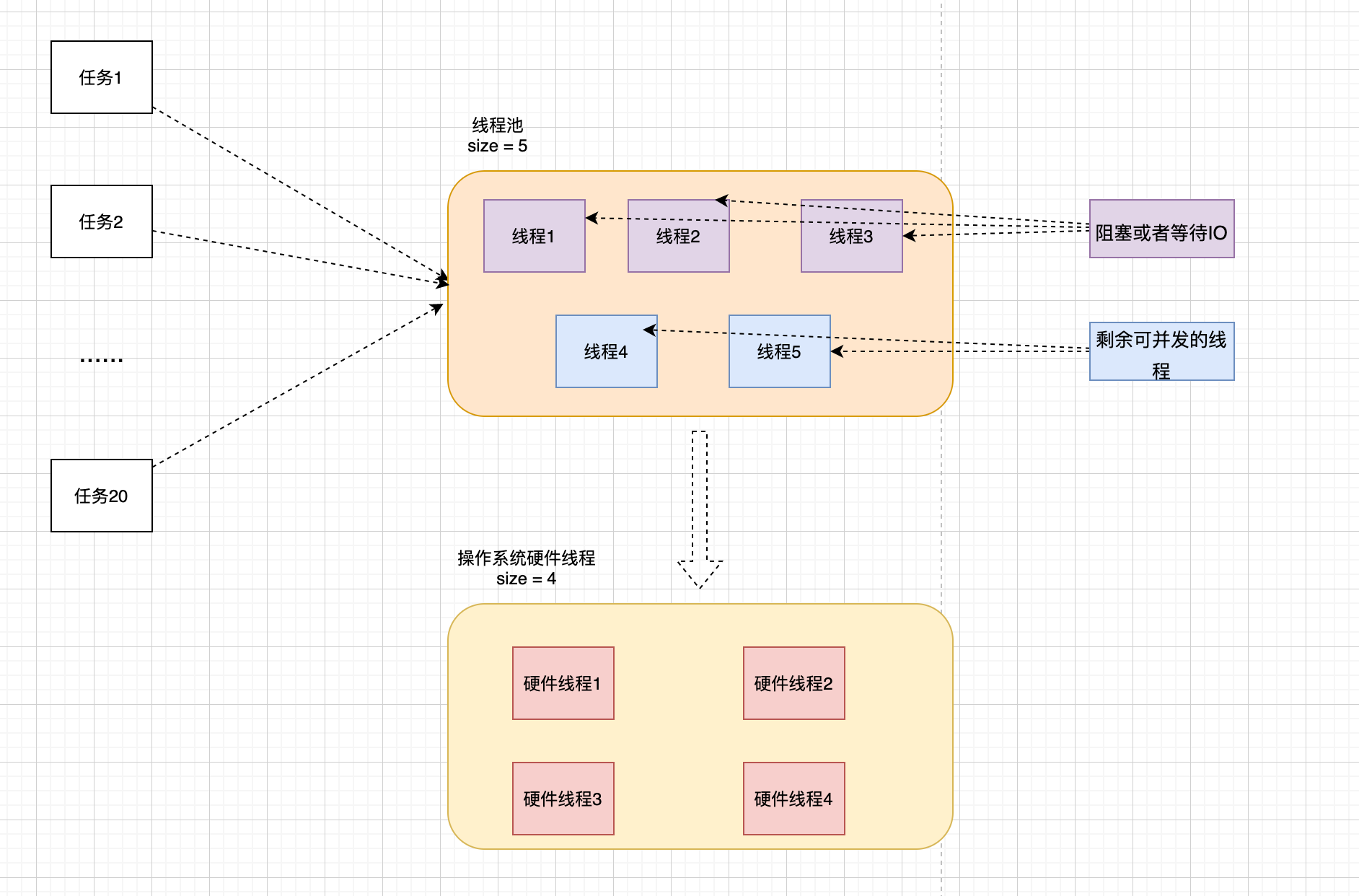
      例如,假如CPU有4个硬件线程,你创建了一个大小为5的线程池,你一次性提交了 20 个执行任务,希望这20个任务并发的执行,直到所有 20 个任务执行完毕。假设首批提交的 线程中有 3 个线程进入了阻塞状态或者在等待 I/O,那就只剩2 个线程可以服务剩下的 15 个任务了。如此一来,你只能取得你之前预期吞吐量的一半(如果你创建的线程池中工 作线程数为 8,那么还是能取得同样预期吞吐量的)。

      image-20211205162829647

    • 通常情况下,Java 从 main 返回之前,都会等待所有的线程执行完毕,从而避免误杀正在执行关键代码的线程。

      实际操作时的一个好习惯是在退出程序执行之前,确保关闭每一个线程池。

你希望采用线程技术理程序的结构,以便在需要的时候享受程序并行带来的好处,生成足够多的任务以充分利用所有硬件线程。这意味着你需要对程序进行切分

使多线程的演进过程

多于函数 f(x)g(x),分别使用一个线程去并发执行。

使用Runnable:

 1
 2
 3
 4
 5
 6
 7
 8
 9
10
11
12
13
14
15
class ThreadExample {
public static void main(String[] args) throws InterruptedException { int x = 1337;
            Result result = new Result();
            Thread t1 = new Thread(() -> { result.left = f(x); } );
            Thread t2 = new Thread(() -> { result.right = g(x); });
            t1.start();
            t2.start();
            t1.join();
            t2.join();
            System.out.println(result.left + result.right);
}
        private static class Result {
            private int left;
            private int right;
} }

使用线程池和Future:

 1
 2
 3
 4
 5
 6
 7
 8
 9
10
public class ExecutorServiceExample {
	public static void main(String[] args) throws ExecutionException, InterruptedException {
    int x = 1337;
    ExecutorService executorService = Executors.newFixedThreadPool(2);
    Future<Integer> y = executorService.submit(() -> f(x));
    Future<Integer> z = executorService.submit(() -> g(x));
    System.out.println(y.get() + z.get());
    executorService.shutdown();
  }
}

然而,这段代码依然受到了显式调用 submit 时使用的模板代码的污染。也就是说,其实这个枯燥的操作其实也是可以省略的。

解决这个问题的答案是将 API 由同步 API 变为步 API,也就是增加异步的API函数。

使用线程池和CompletableFuture:

 1
 2
 3
 4
 5
 6
 7
 8
 9
10
11
public class ExecutorServiceExample {
	public static void main(String[] args) throws ExecutionException, InterruptedException {
    int x = 1337;
    ExecutorService executorService = Executors.newFixedThreadPool(2);
    CompletableFuture<Integer> y = CompletableFuture.supplyAsync(() -> f(x),executorService); 
    CompletableFuture<Integer> z = CompletableFuture.supplyAsync(() -> g(x),executorService);
    CompletableFuture<Integer> result = y.thenCombine(z,(y_val,z_val) -> {return y_val + z_val;} )
    System.out.println(result.get());
    executorService.shutdown();
  }
}

使用反应式的API:(基于回调函数)

 1
 2
 3
 4
 5
 6
 7
 8
 9
10
11
12
13
14
public class CallbackStyleExample {
	public static void main(String[] args) {
 		System.out.println((result.left + result.right));
		int x = 1337;
		Result result = new Result();
    f(x, (int y) -> {
        result.left = y;
     });
    g(x, (int z) -> {
    	result.right = z;
    	System.out.println((result.left + result.right)); 7
    });
  }
}

注意,反应式编程允许方法 f 和 g 多次调用它们的回调函数 dealWithResult。而原始版
本的 f 和 g 使用 return 返回结果,return 只能被调用一次。Future 与此类似,它也只能完 成一次,执行 Future 的计算结果可以通过 get()方法获取。

可能阻塞线程的因素

阻塞式操作可以分为两类:

  1. 一类是等待另一个任务执行,譬如调用 Future 的 get()方法;
  2. 另一类是等待与外部交互的返回,譬如从网络、数据库服务器或者键盘这样的人机接口读取数据

睡眠也会阻塞。

学习并发的模式

通常,设计和理解并发系统最好的方式是使用图形。我们将这种技术称线程-管道 (box-and-channel)模型。

image-20211205170713764

这其实是观察者模式的一种实现。

使用CompletableFuture

CompletableFuture和并行流的实现方式类似的,它们内部都是调用多线程进行执行,然而CompletableFuture可以允许设置线程池,指定线程的数量(线程池的大小),并且支持组合模式。

并行流是把内容拆分成多个数据块,用不同线程处理每个数据块的数据。这样以来,就可以自动的把工作的负荷分配到多核处理器的所有核,让他们都忙起来。

使用Async还是同步API的判断标准:

  • 一般情况下操作不涉及远程服务和I/O操作,可以采用同步API
  • 其他耗时的操作可以使用异步API。

通常而言,名称中不带Async的方法和它的前一个任务一样,在同一个线程中运行,而名称以Async结尾的方法会将后续的任务提交到一个线程池,所以每个任务是由不同的线程处理的。对于不复杂的延迟低的操作,尽量复用同一个进程,减少进程间切换的开销。

Java中的线程池

参考:《Java并发编程的艺术》

线程池的好处

  1. 降低资源损耗。
  2. 提高响应速度。
  3. 提高线程的可管理性。

Reference:

  1. 彻底理解Java的Future模式 - 大诚挚 - 博客园
  2. CompletableFuture的原理与实践-记外卖商家端API的异步化
  3. Java 8 CompletableFuture 教程 - SegmentFault 思否
  4. 关于实现Runnable接口不能抛异常只能捕获异常原因_小林子的博客-CSDN博客
  5. Java Callable and Future Tutorial | CalliCoder ~ Java可调用和未来教程 | CalliCoder
  6. 使用CompletableFuture异步组装数据
  7. Java: Writing asynchronous code with CompletableFuture
  8. Java8——异步编程 - Mr.墨斗的博客 | MoDou Blog

VictorHong
作者
VictorHong
🔩工具控,⌨️ 后端程序员,🧪AI 探索者